As a young BBC business reporter during the first Gulf War in 1991, I was attached to the rolling Radio News service known as ‘Scud FM’, a reference to Iraq’s powerful Scud missiles. Reporters like me (see the young me in pic) would scuttle down to the rolling Radio 4 studio and throw ourselves in front of a mic to answer the eternal question : what’s happening on the oil markets?
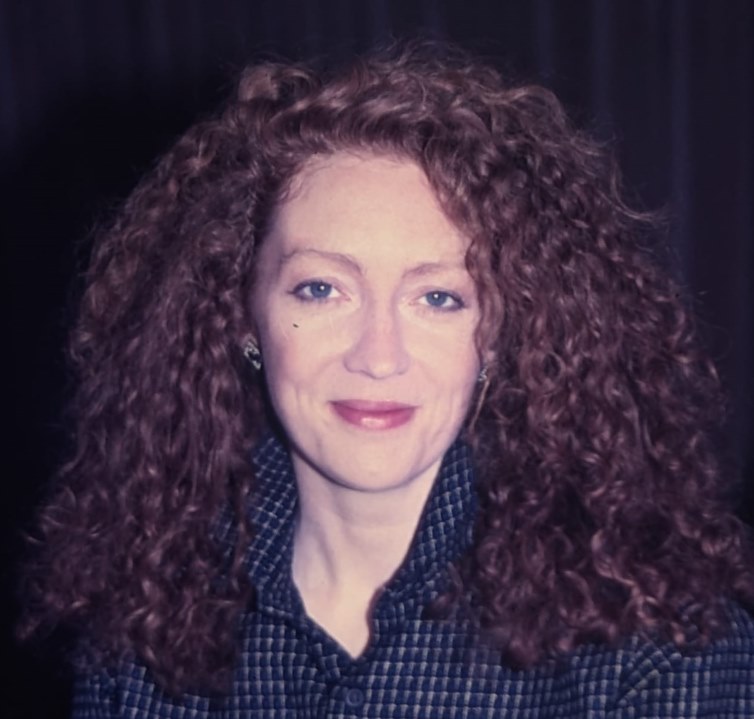
I would talk breathlessly about the latest price of Brent Crude and what had sent it up or down, prices at the pump, inflation and interest rates.
Back then, peak oil prices rose to 46 dollars a barrel which seemed impossibly high at the time. Over the years, there were other occasions where that price question became an endless refrain – in 2003 during the defeat of Saddam Hussein and in 2022 when Russia attempted a full-scale invasion of Ukraine. It’s happening again, right now.
Each time, I feel a strange impulse to gather the latest copy from the oil markets and – no, not run into a studio full of soiled cups and crisp packets, not this time. Now, it’s an impulse to make sense of the fear factor that ticks up the adrenaline in all of us. We fear disruption that makes our lives harder, that raises energy and petrol and food bills, that squeezes our personal spending.
It is amazing to me how a few words from a news presenter can instil mild feelings of panic in so many of us.
That’s true even when the real economic effects of a headline have not been felt yet. We go through the same cycle of emotions, distress at the human disaster of war and muted fright for ourselves. And it is the familiarity, the repetition, that hits our neural buttons – we have felt it before and we will feel it again.
When I think calmly about the wider phenomenon of repetition, I see its potential as well as the downside.
It is sound and echo, expectation and confirmation. If you put it in a poetic context, we gladly use it all the time. It is one of our most important aural (and visual) tools. Think of tools such as villanelle, sestina, pantoum, anaphora and epistrophe.
It pushes powerful buttons in our minds and makes us listen more carefully. Something repeated is always going to be something significant. It may be a warning.
In the real world, when history repeats itself, it usually is.